
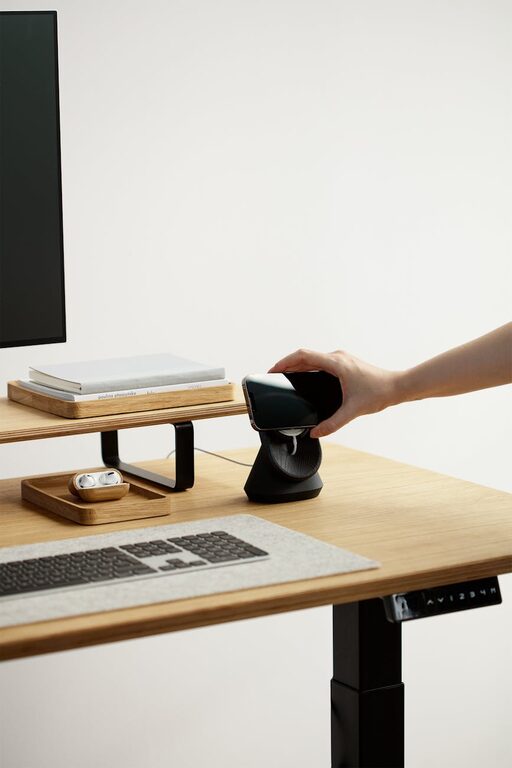
Working from home offers flexibility and comfort, but it also presents unique challenges—especially when it comes to maintaining focus. Without the structured environment of an office, distractions can creep in, making it harder to concentrate on tasks. The good news is that with some simple adjustments, you can create a productive home workspace that supports better focus. Below, we explore effective strategies to help you stay on track and get more done.
Set Up a Dedicated Workspace
One of the foundations of working efficiently from home is having a space designated specifically for work. This doesn’t necessarily mean an entire room; even a corner with a desk and chair can make a difference.
– Reduce distractions: A clear, clutter-free area lets you focus without unnecessary interruptions.
– Signal work mode: When you’re in your workspace, your brain associates it with productivity.
– Ergonomics matter: A comfortable chair and proper desk height prevent discomfort that can distract you.
Establish a Consistent Routine
Creating a daily routine mirrors the structure you might have in an office and helps prime your mind for work.
– Set regular start and end times: This helps you mentally prepare to focus and signals when work time ends.
– Use a morning ritual: Whether it’s coffee, a short walk, or reading emails, a predictable start can boost concentration.
– Schedule breaks: Short, frequent breaks prevent burnout and sustain attention throughout the day.
Minimize Digital Distractions
Technology provides many tools but also endless distractions like social media or notifications. Managing your digital environment is key to better focus.
– Turn off non-essential notifications: Silence apps that aren’t needed during work hours.
– Use focus apps: Applications like Forest or Focus@Will can help keep you on task.
– Limit social media time: Consider blocking social media sites or apps while working.
Prioritize Tasks with To-Do Lists
Having a clear plan for your day helps you focus on what matters most. Breaking down large projects into smaller tasks can also make work feel more manageable.
– Start with the most important tasks: Tackling high-priority work when your energy is highest yields better results.
– Use time-blocking: Allocate specific chunks of time for each task to prevent multitasking.
– Check off completed tasks: This boosts motivation and provides a sense of accomplishment.
Manage Household Interruptions
Working at home means sharing space with family or roommates, which can lead to interruptions. Setting boundaries is vital.
– Communicate your schedule: Let household members know your work hours and when you can’t be disturbed.
– Use signs or signals: A simple “Do Not Disturb” sign on your door can help.
– Find quiet times: Consider adjusting your work hours to when it’s quieter at home if possible.
Take Care of Your Body and Mind
Physical and mental wellness significantly impact your ability to focus.
– Get regular exercise: Even short walks can boost brain function.
– Stay hydrated and eat balanced meals: Proper nutrition supports concentration.
– Practice mindfulness or meditation: These techniques can reduce stress and improve attention span.
Use Natural Light and Good Lighting
Lighting influences mood and focus.
– Work near a window if possible: Natural light can increase alertness.
– Avoid harsh or dim lighting: Use lamps or adjustable lights to keep your workspace comfortable.
Avoid Multitasking
Trying to do multiple things at once often reduces efficiency and focus.
– Focus on one task at a time: Complete it or reach a stopping point before switching.
– Use timers like the Pomodoro Technique: Work 25 minutes, then take a 5-minute break to maintain intensity.
Customize Your Work Environment
Small adjustments can make your workspace more inviting and tailored to your needs.
– Add plants: They can improve air quality and have a calming effect.
– Play background music or white noise: Some people find it helps block distractions.
– Keep supplies organized: Easy access to what you need keeps you from breaking concentration.
Reflect and Adjust Regularly
What works for one person may not work for another, so it’s important to monitor your productivity and make changes as needed.
– Review your day: Identify when you were most and least focused.
– Experiment with techniques: Try different routines or tools to find your best fit.
– Be patient: Building new habits takes time.
—
Working from home can be highly productive and enjoyable when you have the right strategies to maintain your focus. By establishing a dedicated workspace, managing distractions, and caring for your well-being, you’ll create an environment where concentration and success thrive. Start implementing these tips today for a more focused and rewarding remote work experience!